AI for brokerages and asset managers
Brokerages, asset managers and advisers with regulation on top and client data in every email.
Updated
Why finance teams use Acotia
Advisers, brokers and small institutions work with accounts, cards and creditworthiness data. Every request to an external model with that data is an exposure. Acotia detects it, masks or blocks it, and keeps the evidence for compliance.
IBANs and cards validated
IBANs are validated with mod-97 and cards with the Luhn algorithm before acting. Cards are blocked by default.
Secrets that never leave
API keys, passwords and tokens are blocked by default: they never reach the model.
Evidence for compliance
A per-request log without content, exportable as CSV, kept for as long as the company decides.
mod-97
IBAN validation before masking
Luhn
card validation, blocked by default
100%
of requests logged, without content
The tasks we bring under control first
Transaction analysis
Summarise statements or spot anomalies with IBANs and holders masked.
Client reports
Draft communications with portfolio data handled according to the policy.
Document review
Contracts, policies or files reviewed with identifiers turned into labels.
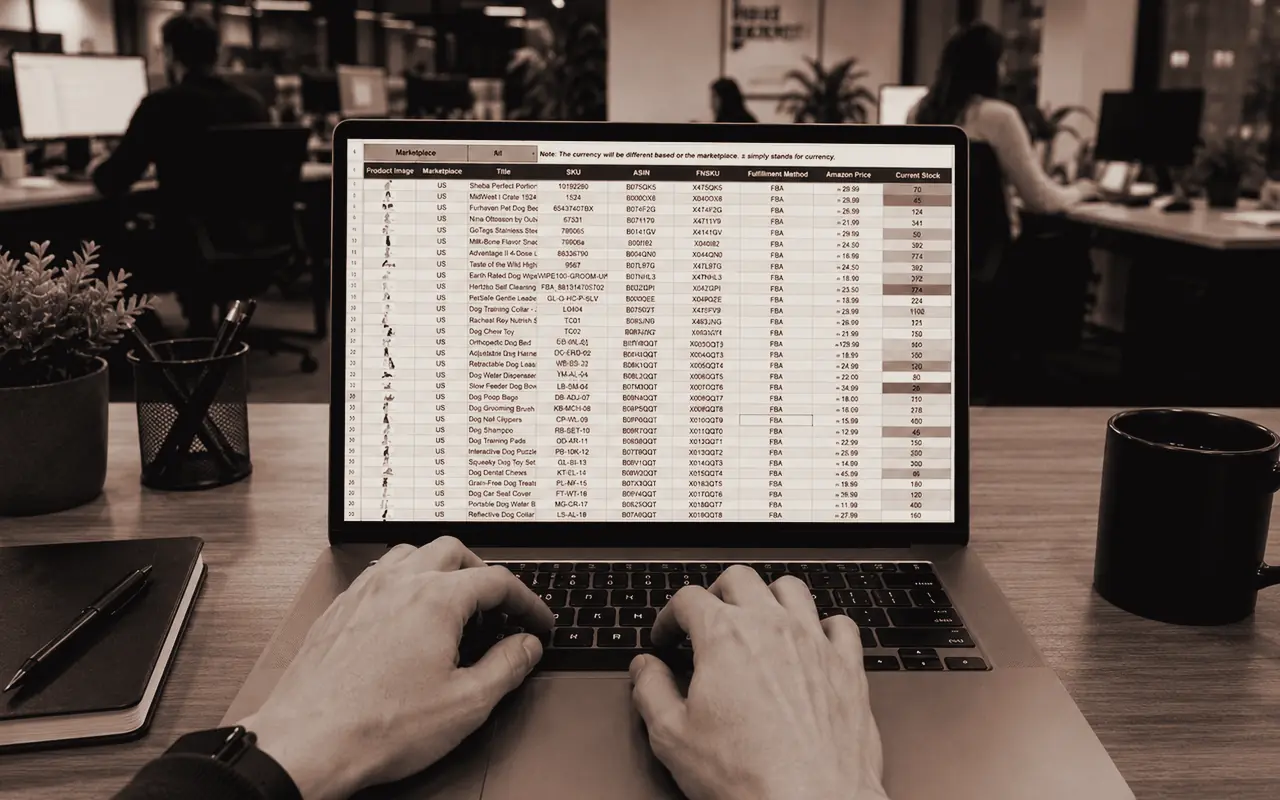
Spreadsheets
Get help with formulas and models without real client data leaving raw.
Check the charge on card 4111 1111 1111 1111 to IBAN ES91 2100 0418 4502 0005 1332.
Request blocked: it contains a card. The IBAN would have been sent as [IBAN_1].
Two pressures at once
On one side, a supervisor asking about controls and rules written before AI existed. On the other, small teams who have found that AI saves them hours and have no intention of giving it up. Banning solves neither.
What gets protected here
Portfolios, positions, client identification data, anti-money-laundering documentation. Information that identifies a person and their wealth in the same sentence, which is exactly the combination you least want leaving raw.
The internal argument
In this sector the decision usually goes up to a committee, and the committee needs three things: what the risk is today, what controls there would be and what it costs. The audit-mode report answers all three with in-house data, which is what gets a proposal approved.
What a committee usually asks for
Three things: what risk there is today, what controls there would be and what it costs. The audit-mode report answers all three with the firm's own data, and the evidence log later serves to show the controls to whoever asks.
Frequently asked questions
Can a brokerage or asset manager use AI with client data?
It can, with controls proportionate to the risk and to its sector regulation. Acotia provides the technical part: identifier replacement, routing to models hosted in the EU and a log. Fit with your regulation is validated by your compliance officer.
Which client data is detected?
Tax identifiers, bank accounts, cards, emails and phone numbers, plus the custom terms you define, such as client or policy codes.
How do I present it to management?
With a pilot: in 15 days there is a report with the volume of sensitive data, real usage by team and the cost against what is paid today. It is the basis of a proposal a committee can approve.